
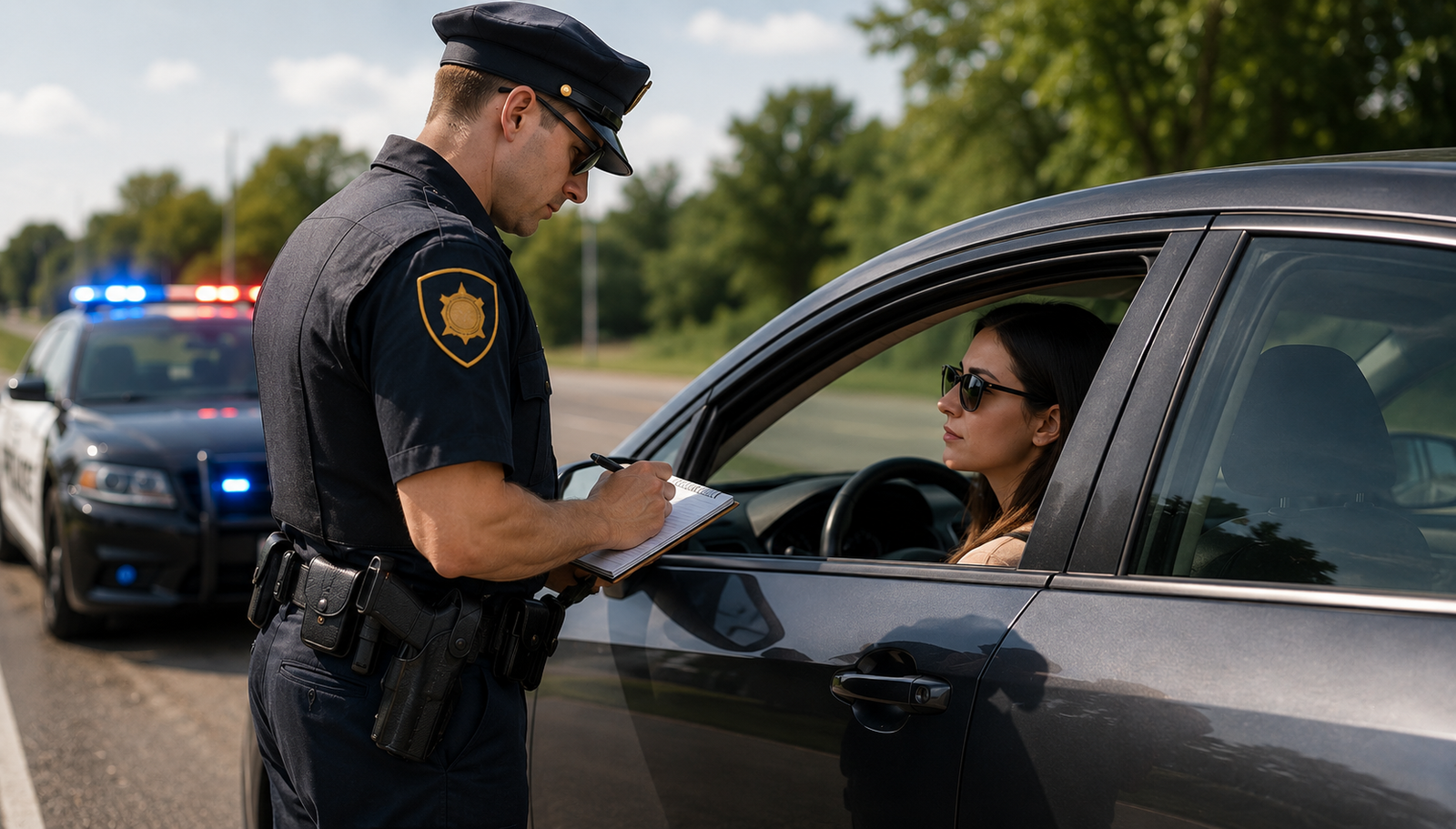
Getting pulled over by the police can feel stressful and overwhelming — especially if it happens unexpectedly. Whether it’s for speeding, distracted driving, a documentation issue, or a routine traffic stop, knowing how to react calmly and legally can make a major difference.
This guide explains what drivers in Canada should do during a traffic stop, what rights you have, and mistakes you should avoid.
Stay Calm and Pull Over Safely
The moment you notice flashing lights behind your vehicle:
Turn on your indicator
Slow down safely
Pull over to the right side of the road
Stop in a safe and visible area
Avoid sudden braking or stopping in dangerous areas such as intersections, bridges, or sharp curves. Police officers generally understand if you need a few extra seconds to find a safe location.
Keep Your Hands Visible
Once your vehicle is stopped:
Stay inside the vehicle unless instructed otherwise
Keep your hands visible on the steering wheel
Avoid making sudden movements
If it’s dark, turn on the interior light
This helps the officer feel safe and keeps the interaction calm and professional.
Be Ready With Your Documents
In most Canadian provinces, police may ask for:
Driver’s licence
Vehicle registration
Insurance proof
Try to keep these documents organized and easy to access. Before reaching for them, it’s helpful to tell the officer where they are located.
Example:
“My insurance is in the glove compartment.”
Remain Respectful During The Conversation
Even if you disagree with the reason for the stop:
Stay polite and respectful
Avoid arguing roadside
Do not become aggressive or confrontational
Remember, the roadside is not the place to fight your ticket. If you believe the ticket or charge is unfair, you can challenge it later through legal channels.
Understand Your Rights
You have legal rights during a traffic stop in Canada, including:
The right to remain silent in many situations
The right to ask why you were stopped
The right to legal representation if you are detained or arrested
However, you are generally required to provide identification and vehicle-related documents when requested.
Avoid Admitting Guilt Immediately
Many drivers accidentally hurt their case by making statements such as:
“I know I was speeding.”
“I was only checking my phone for a second.”
“I didn’t see the sign.”
Anything you say may later be used as evidence. Stay calm and avoid unnecessary explanations.
If You Receive A Ticket
Receiving a ticket does not automatically mean you must simply pay it without review.
Before paying, consider:
Demerit points
Insurance impact
Commercial driver consequences
Possible licence suspension risks
Impact on CVOR or driving record
In many cases, fighting a ticket may help reduce penalties or protect your driving record.
Commercial Drivers Should Be Extra Careful
For commercial drivers and truck operators, even minor violations can have serious consequences, including:
CVOR penalties
Employment issues
Higher insurance costs
Safety rating impacts
If you hold a commercial licence, it’s especially important to understand the charge before pleading guilty.
Common Mistakes Drivers Make During Traffic Stops
Avoid these common errors:
Arguing aggressively with the officer
Refusing to provide documents
Admitting guilt immediately
Ignoring the ticket afterward
Posting details online before seeking legal advice
When To Seek Legal Help
You may want legal guidance if:
The charge is serious
Your licence is at risk
You received a stunt driving or careless driving charge
You are a commercial driver
The ticket could affect your insurance or immigration status
Early legal advice can sometimes improve the outcome significantly.
Final Thoughts
Being pulled over by police can be intimidating, but staying calm, respectful, and informed can help protect your rights and reduce complications.
The most important things to remember are:
Pull over safely
Stay calm and cooperative
Know your rights
Avoid admitting guilt
Review your legal options before paying a ticket
Understanding the process can help you make smarter decisions and better protect your driving record in Canada.